
Optical design
Illumination and detection schemes, radiometric budgets, scattering and absorption modelling, Monte-Carlo simulation, tolerancing, component selection — and optomechanical prototypes 3D-printed in-house the same week.
PhotonMech Solutions is the independent practice of William Chaze, PhD. I take optical measurement products from first principles to a working, validated instrument — optics, algorithms, embedded software, and the integration that holds them together.
Optical products fail at the seams — between the physics, the firmware and the production reality. Keeping those four disciplines in one head is what removes the seams.
Illumination and detection schemes, radiometric budgets, scattering and absorption modelling, Monte-Carlo simulation, tolerancing, component selection — and optomechanical prototypes 3D-printed in-house the same week.
Calibration models, inverse problems, spectral processing, chemometrics and machine-learning inference — built to hold up against a reference method.
Instrument firmware, real-time acquisition, C++/Qt and Python applications, on-device inference, operator interfaces and data pipelines.
Industrial buses and protocols, PLC and SCADA connectivity, mechanical and thermal integration, field deployment and the documentation that follows.
A measurement is only as good as its weakest link, and each stage below constrains the next. Designing them in isolation is how instruments end up accurate on the bench and useless in the process.
What can be measured at all, and with how much information.
The layout that actually captures that information.
Hardware that turns the design into measurable data.
The model that converts raw signal into a trustworthy value.
Firmware and software that run it unattended, for years.
Benchmarks against a reference method, on real samples.
The instrument, working inside someone else’s process.
The instruments differ; the underlying problem rarely does — extracting a reliable number from light that has been scattered, absorbed, or both.
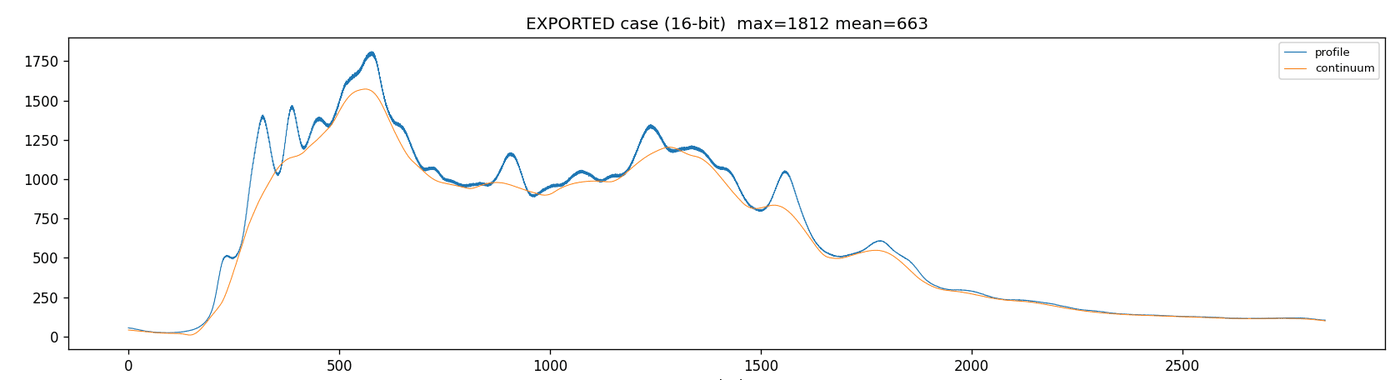
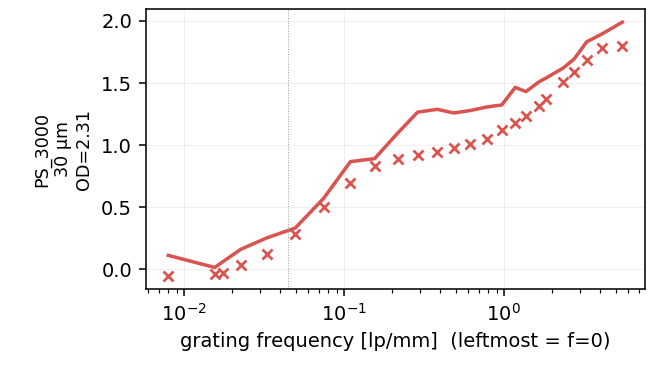
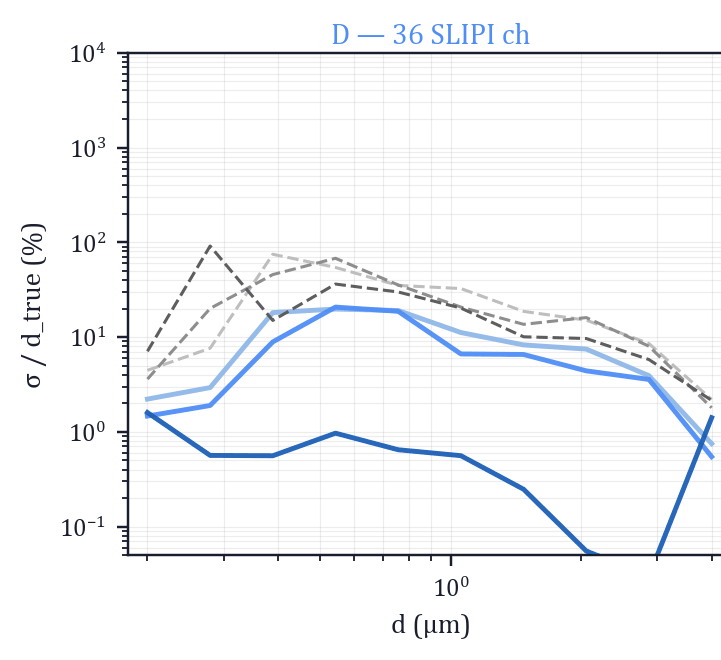
Described generically — client and project specifics stay confidential.
A continuous measurement whose agreement with the reference method held up on real, unfiltered process liquid.
Distribution estimates that correlated with the reference instrument, from an instrument that measures the sample as it is.
A self-contained instrument a non-specialist can run correctly on the first try.
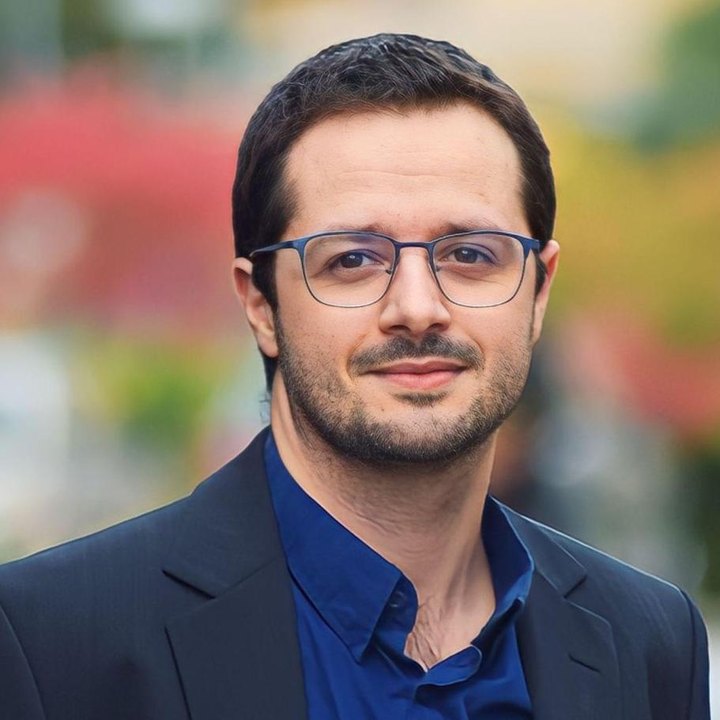
PhD in engineering (Université de Lorraine, 2017) on heat and mass transfer during droplet impact — a problem solvable only by building the optical diagnostics for it: two-colour laser-induced fluorescence thermometry and infrared thermography. Then optical diagnostics research at Lund University, and co-founder and CTO of an optical instrumentation company, taking a garage prototype through to industrial, certified instruments.
Read the full background →| 01 | PhD — optical diagnostics and heat transfer |
| 02 | Peer-reviewed research in laser-induced fluorescence thermometry |
| 03 | Co-founder & CTO of an optical instrumentation company |
| 04 | Instruments taken from prototype to CE / UKCA-marked products |
Describe the process, the liquid or the signal you are after. You will get a straight answer on what is physically measurable, what it would take, and whether I am the right person for it.
Get in touch